Is serum necessary for skin care
MadeByAnjoe
Mar 05, 2025
When creating a skincare routine, many people ask, is serum necessary for skin care? While cleansers, moisturizers, and sunscreens are often seen as essential, serums offer targeted benefits that can improve overall skin health. Serums are lightweight, fast-absorbing treatments packed with concentrated active ingredients designed to address specific concerns like hydration, aging, acne, or dullness.
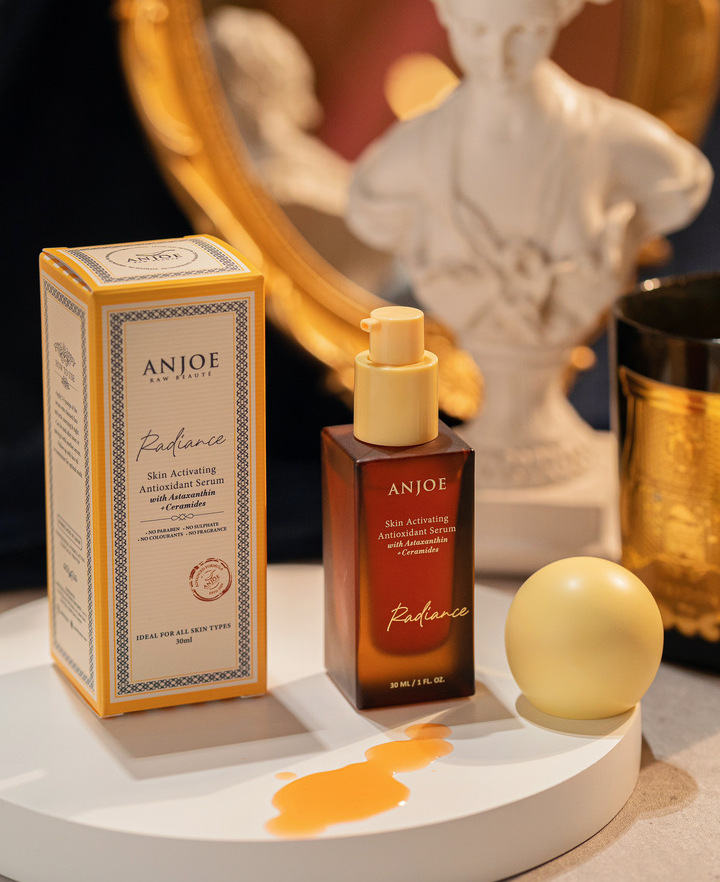
What Makes Serums Important in Skincare?
To answer the question, is serum necessary for skin care, it’s important to understand their role. Unlike moisturizers, which mainly hydrate and protect, serums deliver potent ingredients directly into the skin. Thanks to their small molecular structure, they penetrate deeper, making them highly effective for treating issues such as:
Dryness and Dehydration – Hyaluronic acid serums provide deep hydration and prevent moisture loss.
Aging Signs – Anti-aging serums with retinol, peptides, or vitamin C boost collagen production and reduce wrinkles.
Hyperpigmentation – Serums containing niacinamide or alpha arbutin help fade dark spots and even out skin tone.
Acne and Breakouts – Salicylic acid and tea tree oil serums control excess oil and prevent breakouts.
While serums aren’t always considered a must-have, they offer targeted solutions that a basic skincare routine might not provide.
Is Serum Necessary
for Skin Care for All Skin Types?
If you’re still wondering, is serum necessary for skin care, the answer depends on your skin type and concerns:
Oily & Acne-Prone Skin – A lightweight, non-comedogenic serum with niacinamide or salicylic acid can help control oil and reduce breakouts.
Dry & Dehydrated Skin – A hyaluronic acid serum delivers intense hydration and prevents moisture loss.
Sensitive Skin – Soothing serums with aloe vera, centella asiatica, or chamomile reduce redness and irritation.
Aging Skin – A serum with peptides, retinol, or astaxanthin can help minimize fine lines and maintain firmness.
Serums may not always be a necessity, but they provide advanced skincare benefits that can enhance any routine.
How to Use a Serum
in Your Skincare Routine
If you decide to include a serum in your routine, follow these steps for optimal results:
Cleanse Your Skin – Start with a gentle cleanser to remove dirt and oil.
Toner – A hydrating or soothing toner can help balance your skin.
Apply a Few Drops of Serum – Gently pat the serum onto your face, focusing on areas of concern.
Wait for Absorption – Allow the serum to fully absorb before applying moisturizer.
Follow with Moisturizer & Sunscreen – Lock in hydration and protect your skin with SPF in the morning.
Final Thoughts
So, is serum necessary for skin care? While not mandatory, serums provide powerful benefits that can significantly improve your skin’s health. If you have specific concerns like dryness, aging, or acne, adding a serum to your routine can be a game-changer. Choosing the right serum based on your skin’s needs can elevate your skincare routine and help you achieve a radiant, healthy complexion.